Behind the Scenes: Crafting My Indie Fantasy Novel
- Savannah Young
- 8 hours ago
- 4 min read

Writing a fantasy novel is like embarking on a grand adventure. It requires imagination, dedication, and a sprinkle of magic. As an indie author, I have navigated the winding paths of creativity, faced the dragons of self-doubt, and discovered the treasures of storytelling. In this post, I will take you behind the scenes of my journey in crafting my indie fantasy novel, sharing insights, challenges, and the joy of bringing a world to life.
The Spark of Inspiration
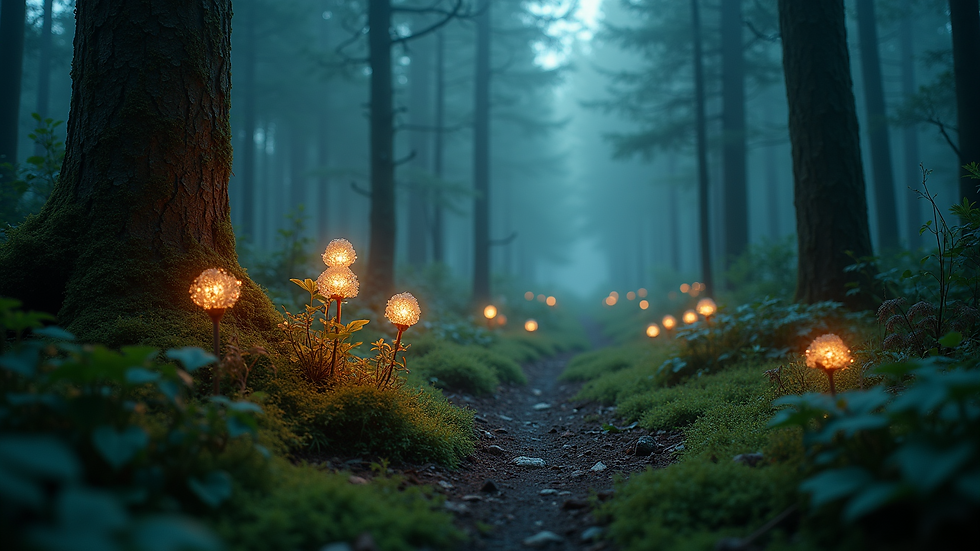
Every story begins with a spark. For me, it was a vivid dream about a mystical forest inhabited by creatures I had never seen before. This dream ignited my imagination and set the stage for my novel. I realized that inspiration can come from anywhere—dreams, nature, art, or even conversations with friends.
Finding Your Unique Voice
As I began to outline my story, I focused on finding my unique voice. This is crucial in fantasy writing, where countless worlds and characters exist. I experimented with different styles, from lyrical prose to straightforward storytelling, until I found a voice that felt authentic to me.
Tip: Write a few paragraphs in different styles to see what resonates with you.
World-Building: Creating a Believable Universe
World-building is one of the most exciting yet challenging aspects of writing fantasy. It involves creating not just a setting but a whole universe with its own rules, cultures, and histories. Here’s how I approached it:
Establishing the Rules
Every fantasy world has its own set of rules. For my novel, I decided on the following:
Magic System: I created a unique magic system that is tied to the natural elements. Each character has a specific affinity, which influences their abilities and personality.
Geography: I mapped out the land, including mountains, rivers, and cities. This helped me visualize where my characters would travel and the challenges they would face.
Cultures: I developed distinct cultures for different regions, including their customs, languages, and conflicts. This added depth to my characters and their motivations.

Creating Compelling Characters
Characters are the heart of any story. I spent time developing my protagonists and antagonists, ensuring they were multi-dimensional and relatable. Here are some strategies I used:
Backstories: Each character has a rich backstory that informs their actions and decisions. This helps readers connect with them on a deeper level.
Flaws and Strengths: I made sure my characters had both strengths and weaknesses. This balance makes them more realistic and engaging.
Character Arcs: I plotted out character arcs to show growth and change throughout the story. This keeps readers invested in their journeys.
The Writing Process: From Draft to Final Edit
Once I had my world and characters, it was time to write. The writing process can be daunting, but I found a rhythm that worked for me.
Setting a Schedule
I set aside dedicated writing time each day. This consistency helped me stay focused and motivated. I aimed for a daily word count, which kept me accountable.
Tip: Find a writing routine that fits your lifestyle, whether it’s early mornings or late nights.
Embracing the First Draft
The first draft is often messy and imperfect, but that’s okay. I allowed myself to write freely without worrying about grammar or structure. The goal was to get the story down on paper.
Revising and Editing
After completing the first draft, I took a break before diving into revisions. This distance helped me see my work with fresh eyes. I focused on:
Plot Holes: I identified and fixed any inconsistencies in the plot.
Character Development: I ensured that character arcs were clear and satisfying.
Pacing: I adjusted the pacing to maintain tension and engagement throughout the story.
Feedback and Beta Readers
Once I felt confident in my revisions, I sought feedback from beta readers. This step is crucial for any author, as it provides valuable insights from fresh perspectives.
Choosing Beta Readers
I selected a diverse group of beta readers, including fellow writers and avid fantasy readers. Their varied backgrounds helped me identify strengths and weaknesses in my story.
Incorporating Feedback
Receiving feedback can be challenging, but I approached it with an open mind. I took notes on common themes and suggestions, then made adjustments accordingly.
The Publishing Journey
With a polished manuscript in hand, I began the journey of self-publishing. This process involves several key steps:
Cover Design
A captivating cover is essential for attracting readers. I collaborated with a talented designer to create a cover that reflects the essence of my story.
Formatting
Formatting the manuscript for both eBook and print versions was a meticulous task. I ensured that the layout was clean and professional, making it easy for readers to enjoy the story.
Marketing Strategies
As an indie author, marketing falls on my shoulders. I explored various strategies to promote my book, including:
Social Media: I built an online presence through platforms like Instagram and Twitter, sharing updates and engaging with readers.
Book Launch: I organized a virtual launch event to celebrate the release and connect with my audience.
The Joy of Sharing Your Story
After months of hard work, the moment finally arrived: my book was published. The joy of sharing my story with the world is indescribable.
Reader Reactions
Receiving feedback from readers has been one of the most rewarding aspects of this journey. Their enthusiasm and support motivate me to continue writing.
Future Projects
With my first novel complete, I am already brainstorming ideas for future projects. The world I created is rich with possibilities, and I can’t wait to explore them further.
Final Thoughts
Crafting an indie fantasy novel is a journey filled with challenges and triumphs. From the initial spark of inspiration to the final publication, every step has taught me valuable lessons about storytelling and creativity.
If you are considering writing your own fantasy novel, remember to embrace the process. Allow yourself to dream, create, and share your unique voice with the world.
Takeaway: Start today. Write your first paragraph, outline your characters, or sketch your world. The adventure awaits!

Comments